If you’ve ever found yourself replaying a conversation in your head—wishing you’d said something different, or maybe wishing they had—then you know what it’s like to carry something a little too long.
Forgiveness isn’t always about something big. Sometimes it’s that small tension you avoid, the relationship that quietly changed, or the peace that seems just out of reach.
When we hold on to what has hurt us, even if it’s subtle, we can find ourselves stuck—spiritually, emotionally, and even relationally.
That’s why I believe one of the most intentional choices you can make in life is the choice to forgive. That choice often reveals more about us than we realize.
Why Forgiveness Is So Personal
Let me ask you something I’ve asked thousands of listeners over the years: “Are you a good forgiver?”
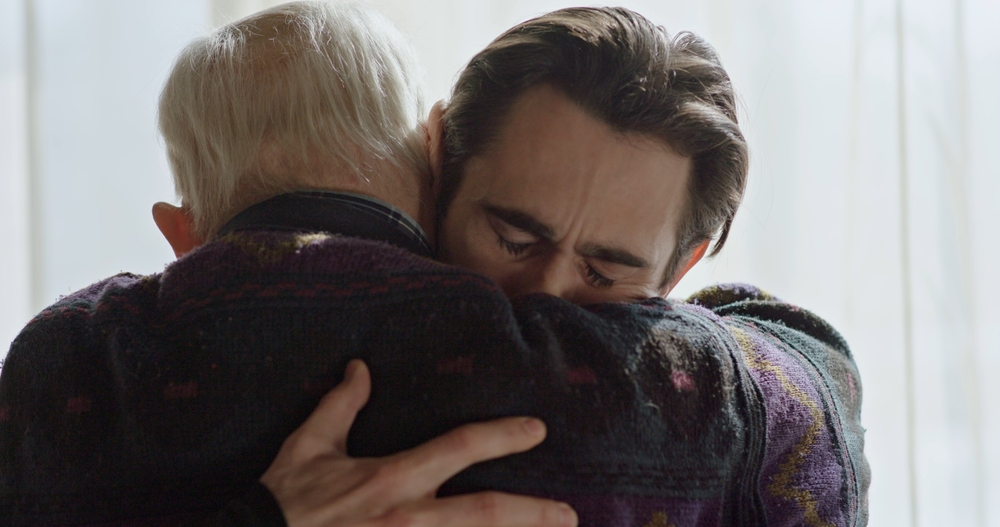
It’s a simple question—but an important one. Because the answer reveals more than how we feel about someone else. It reveals how we’re doing inside.
See, we can be forgiven people—and still live like we’re imprisoned. Not because God hasn’t set us free, but because we haven’t chosen to release what’s been holding us back. And often, what’s holding us back is unforgiveness.
Living Intentionally Means Living Honestly
Living in truth means taking an honest look at where you are today.
So let me encourage you to ask yourself:
- Is there someone I haven’t fully forgiven?
- Am I still holding on to a moment, a wound, or a word that changed something inside me?
- Have I made peace with what happened—or am I still stuck rehearsing it?
This isn’t about assigning blame or stirring up pain. It’s about creating clarity. Because if you have clarity, you can grow. And where there’s honesty, you can experience real healing.
Forgiveness Is a Decision
Forgiveness rarely feels easy. But it’s not something we wait to feel ready for—it’s something we choose.
We don’t do it because the other person deserves it. We do it because God has forgiven us—and He invites us to live that out with others.
Extend forgiveness to others, as God has forgiven you.
An intentional life in Christ means doing the right thing at the right time, even when it’s hard. Forgiveness doesn’t erase the past. It simply refuses to let the past lead anymore.

You Can’t Move Forward If You’re Stuck in the Past
Scripture says, “Therefore, as the elect of God, holy and beloved, put on tender mercies, kindness, humility, meekness, longsuffering; bearing with one another, and forgiving one another, if anyone has a complaint against another; even as Christ forgave you, so you also must do.” (Colossians 3:12-13 NKJV).
That’s your biblical invitation to freedom.
Forgiveness clears the way. It releases the emotional weight. It helps you stop carrying what God never asked you to carry in the first place. And maybe even more important—it opens the door for peace to return.
One Thing
Take a quiet moment and ask God to show you anything (or anyone) you need to release. It could be a memory. A conversation. A relationship. Something that’s been holding you back from the peace you want and the purpose God has for you.
Write it down. Pray over it. Or simply say, “Lord, I let this go. I choose to forgive, because You forgave me.”
You may need to repeat that tomorrow—and that’s okay. Every intentional choice gets you one step closer to living free.
Why Be Intentional?
Positive life change doesn’t happen by accident. When you choose to live with purpose, everything shifts—your faith, your relationships, your priorities. Want to know what’s possible when you start living intentionally? Find out here and explore how membership can help you live the life God intended.